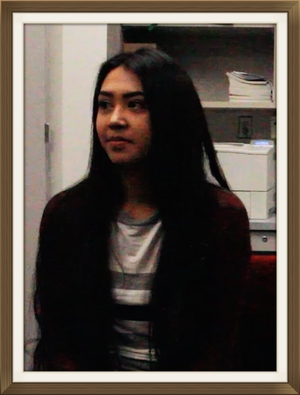
Stacy
Twelfth Grade, Age 17
Meet Stacy
Stacy is a 17-year-old 12th-grader in a medium sized Midwest town. Born in the Midwest, she and her family moved to Mexico when she was five years old to embark on a new life.
Stacy and her family lived in different parts of Mexico for two years, such as Zapopan. Missing some of their family and friends, they came back to the United States for a wedding, in which they stayed for six months. This allowed them to develop their English speaking skills. After their stay in the United States, they returned to Mexico and stayed for six years. Not long after, Stacy and her family returned to the United States to settle in the Midwest. Stacy really wanted to come back to the United States for high school so that she could attend college in the states.
When Stacy is not studying, she enjoys spending time with her friends, making scrapbooks, and watching The Big Bang Theory. With all the traveling to and from Mexico, her family is extremely close. They plan many gatherings and celebrate each other’s accomplishments.
While in Mexico, although Stacy took English classes, she felt that those classes were entry-level English, which allowed her to maintain her English speaking skills, but did not challenge her proficiency. In addition, she and her family communicated in Spanish; however, Stacy was able to maintain her English proficiency by reading novels such as Shadow Hunters and Hush Hush written in English. Although these books were more expensive, it allowed her to strengthen her vocabulary. Compared to American schools, Stacy enjoyed her spacious public school in Mexico that had outside corridors and a patio commons area for the students. At her former school, the students are taught to become more independent in preparation for their transition to adulthood.
Because of Stacy’s experience relocating from the United States to Mexico, she is able to speak both English and Spanish. She enjoys continuing to learn both languages because it makes her more marketable as she plans on becoming a wildlife biologist. She believes that this hard work will pay off and will make her a better student.
Stacy suggests that teachers provide more resources that allow ELLs to view English and Spanish versions of text and compare them. She finds it helpful for teachers to explain concepts in a step-by-step format and even more helpful is having an educator with a little Spanish familiarity. Stacy receives one period of ESL instruction a day, and all other courses are mainstream courses taught by teachers without any specialized training or certification in working with ELLs. Her official English language proficiency level is 4.5 (WIDA).
Oral Language Samples
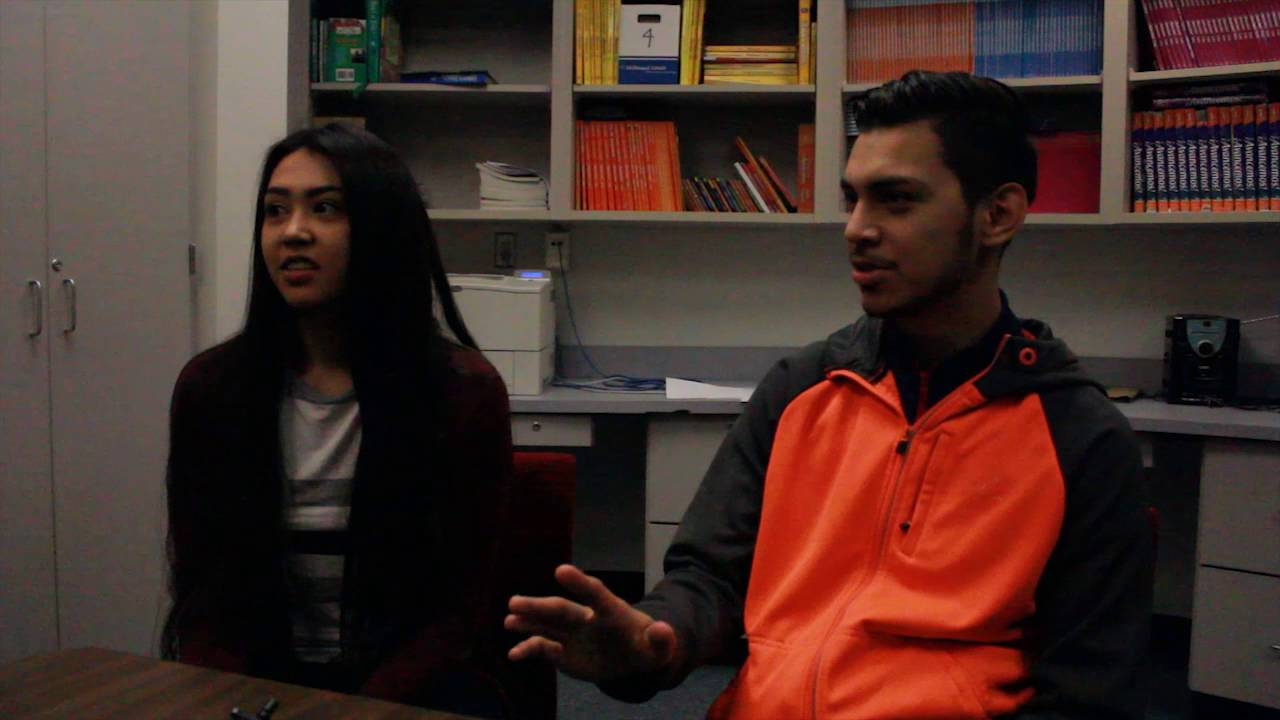
Directions: Review the oral language samples below. Then, review and complete the SOLOM-R Google Form. You may also open the form in a new link if you want to complete it as you view the videos.
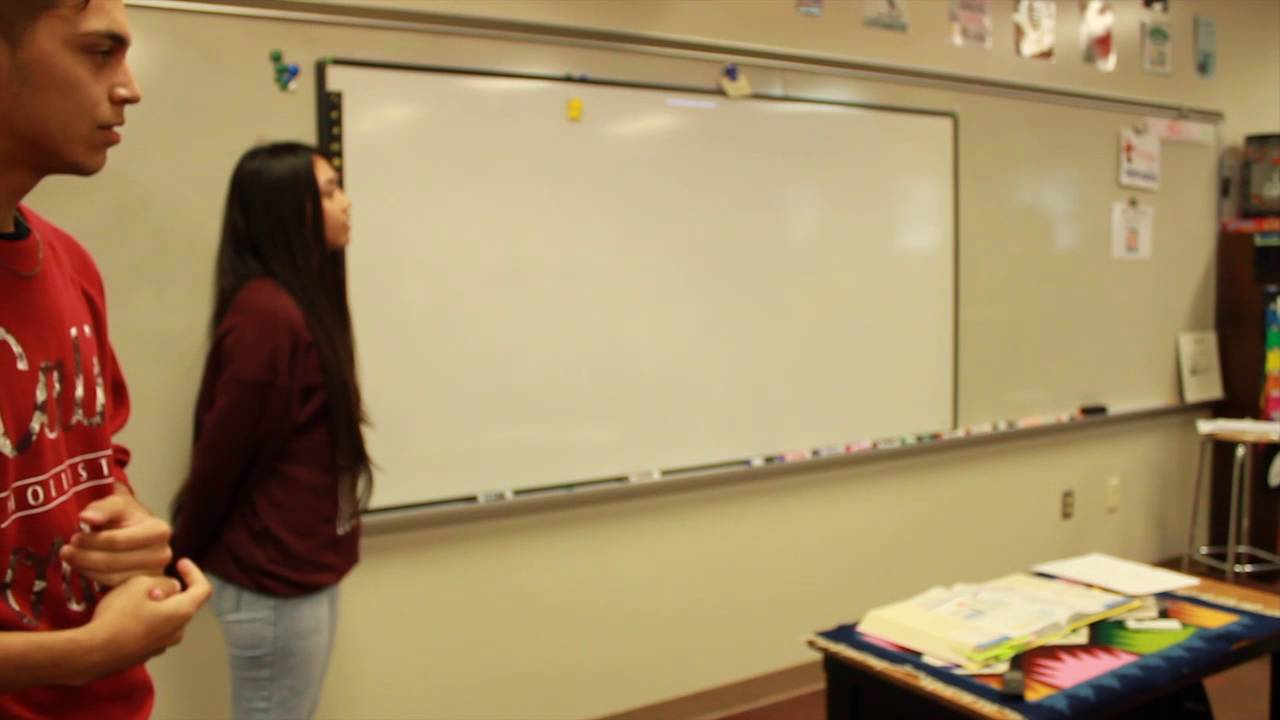
Note: Stacy was interviewed and co-presented with her brother Enrique. Just focus on Stacy’s English comprehension and production in the videos below.
Oral Language Sample 1: Interview

Oral Language Sample 2: Oral Presentation
Reading Sample
Directions: Download and print the Running Record Form below. Complete the form as you view the video of the student’s reading below. Review the comprehension Q&A. Then complete the Running Record Evaluation Google Form.
Reading Text 1: A Long Way to Go-Minorities and the Media

Reading Comprehension Questions and Answers
1. What is the problem this passage is addressing?
[Correct Answer: Stereotypical depictions of Latinos in entertainment and the media]
Stacey: Stereotypes of certain ethnic groups, like Mexican, or uh, Latinos.
2. According to the passage, what does the mass media have a fascination with?
[Correct Answer: Latino gangs]
Stacey: With the gangs.
3. What is the author’s main point?
[Correct Answer: The media creates stereotypes by only focussing on negative aspects of minorities]
Stacey: Well, they talked about the media, concentrating on those groups, and um, they concentrate on the bad parts, which creates the stereotype.
4. Do you agree with the author?
[Correct Answer: Any relevant answer]
Stacey: Well, it’s true. It happens. It happens with a lot of ethnic groups, so you can’t say no. Like Muslims being terrorists. If they are shown like, um, how do you say it? Menacing? [Menacingly] Then cops and all that, they try, they investigate them, stop them, question them. That comes up. We need to change that.
Reading Text 2: U.S. Government-Our Democracy

Reading Comprehension Questions and Answers
1. What is this passage about?
[Correct Answer: The 17th Amendment of the U.S. Constitution]
Stacey: They are talking about, uh, the House of Representatives. So, it’s based on equality. There’s two for each state because, well, there was an argument about if they wanted to choose by equality or by population. So they separated it, and now the Senate is based on population and the House by equality.
2. What was the Amendment that made that change?
[Correct Answer: The 17th Amendment]
Stacey: The 13th Amendment? [looks back in the text]. The 17th!
3. What specifically did the 17th Amendment do?
[Correct Answer: Senators elected by popular vote]
Stacey: Um, increased the power of the people? [looking back in the text] Oh, people could, by popular vote, vote for their representatives.
4. How did it work before the 17th Amendment?
[Correct Answer: Senators were elected by the state legislature]
Stacey: Um … [shakes head, looks back at the text] … Oh, they were elected by the state legislature.
5. Which way do you think is better?
[Correct Answer: Any relevant answer]
Stacey: Popular. We get to choose now. Well, they can argument, and, well, it’s like the president, we get to choose who we think is better.
Writing Samples
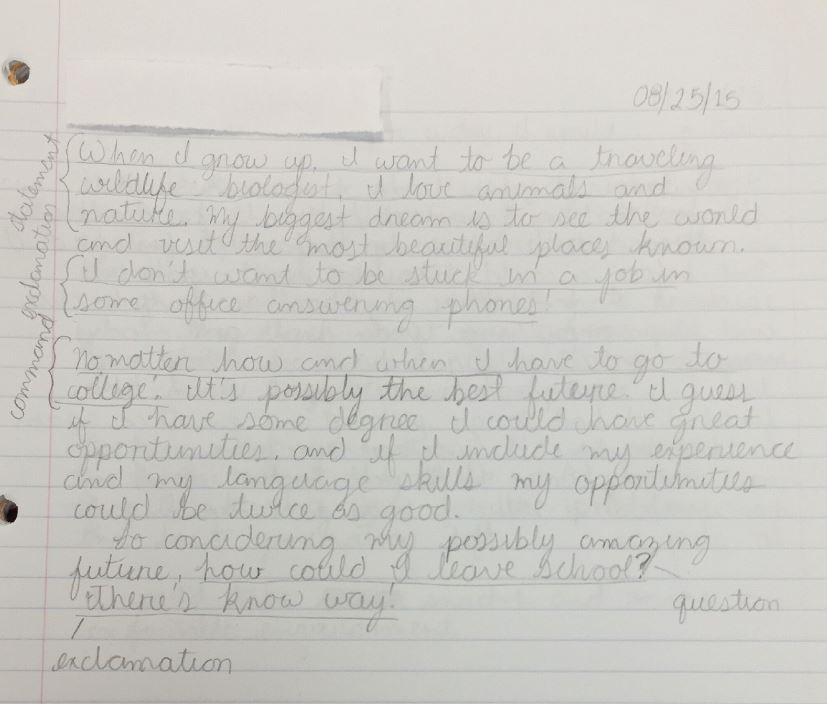
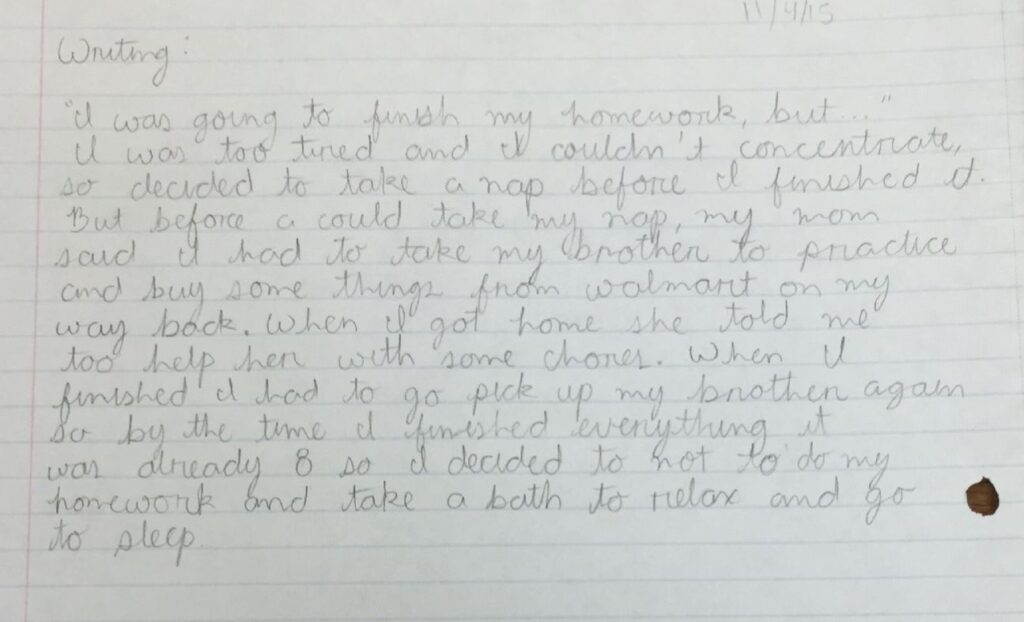
Directions: Read the student’s writing samples below. Then complete the writing evaluation Google Form for the samples below.
Sample 1: “When I Grow Up”
Sample 2: “Nap vs. Work”
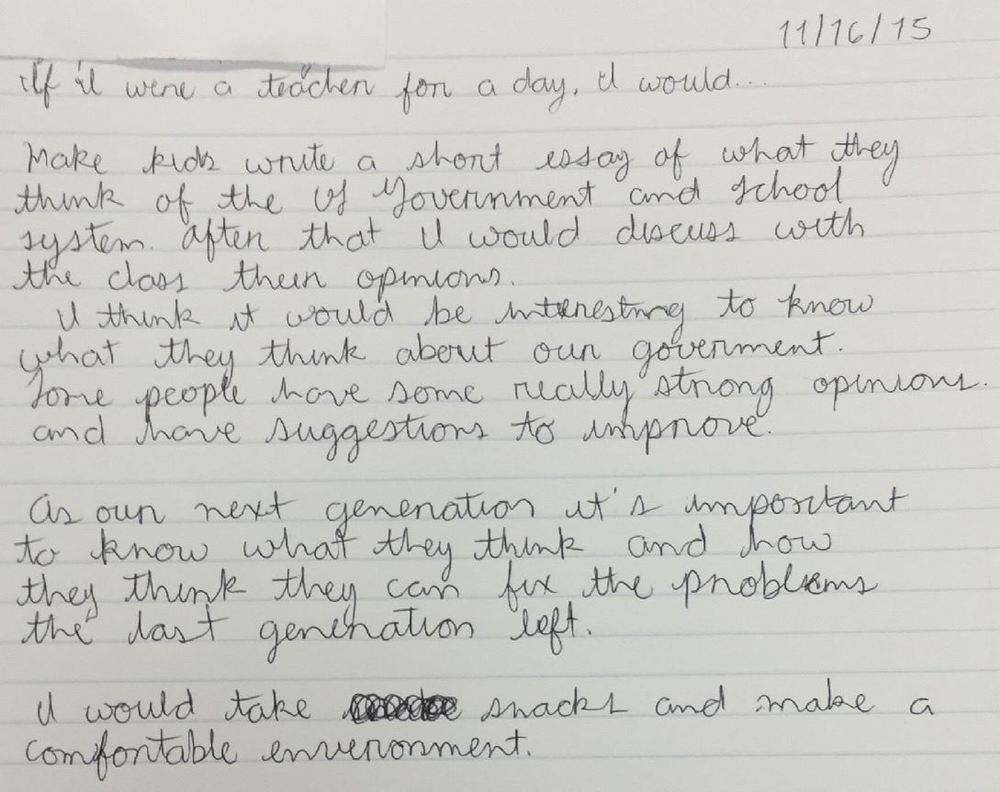
Sample 3: “If I Were a Teacher for a Day…”