Chang elected as future IACAT president, gives keynote for biannual conference
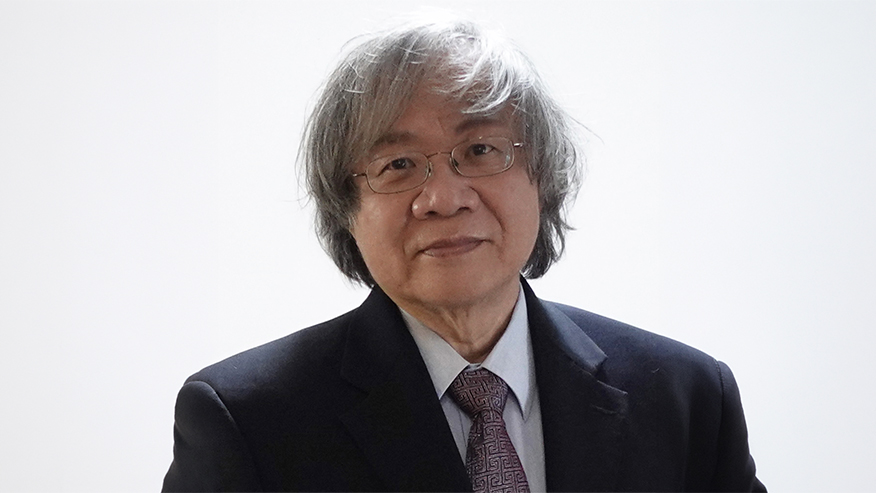
Hua Hua Chang, the Charles R. Hicks Chair Professor of Educational Psychology and Research Methodology, gave a keynote address at the 2026 Biannual International Association for Computerized Adaptive Testing Conference in São Paulo, Brazil (September 28-30).
His talk was titled “Positioning Computerized Adaptive Testing as a Foundation for Personalized Learning.” In it he examined the potential of computerized adaptive testing (CAT) to enhance personalized learning pathways and deliver tailored insights to students. He also highlighted several large‑scale applications in college STEM instruction to demonstrate how CAT can help us better understand what students know and how they learn.
IACAT plays a central role in advancing the science, technology, and ethical practice of adaptive testing across educational, psychological, and organizational domains. Chang was elected as the future president of IACAT in August and was introduced at the Biannual Meeting in October. He will serve a term as vice president from October 2026-October 2028, followed by a presidential term from 2028-2030.
“CAT research and teaching have been at the heart of my work for many years, and it is deeply rewarding that this leadership opportunity aligns so naturally with my long‑standing scholarly focus,” said Chang.
Chang’s research spans both theoretical and applied domains, including Computerized Adaptive Testing (CAT), Cognitive Diagnosis, and Differential Item Functioning. He is at the forefront of developing innovative web-based assessment tools to enhance personalized learning.
His distinguished career has been honored with numerous prestigious awards, including the 2026 IMPS Career Award for Lifetime Achievement, the 2017 E. F. Lindquist Award (AERA and ACT), the 2021 NCME Career Contribution Award, and the 2024 Samuel J. Messick Award for Distinguished Scientific Contributions (APA Division 5). He has twice served as a Fulbright Specialist, in Australia (2005) and Colombia (2019), and has guided more than thirty doctoral dissertations and participated on many doctoral committees.
Source: Hua-Hua Chang