Rural Center director presents Indiana workshops
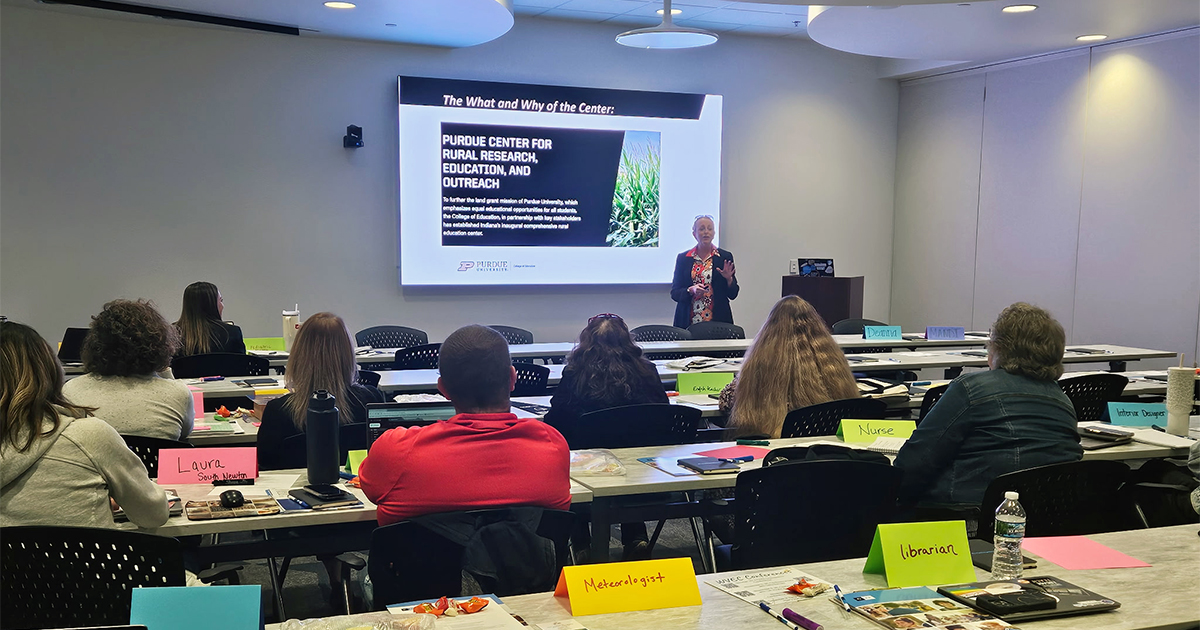
The national College Board organization, founders of the SAT® and AP® programs, invited the Purdue Center for Rural Research, Education, and Outreach to present a workshop at several venues in Indiana in September.
Watson: Video games can foster student engagement in classroom
Game-based learning can provide additional inroads for building skills such as narrative storytelling, #PurdueEDU’s William Watson told K-12DIVE.
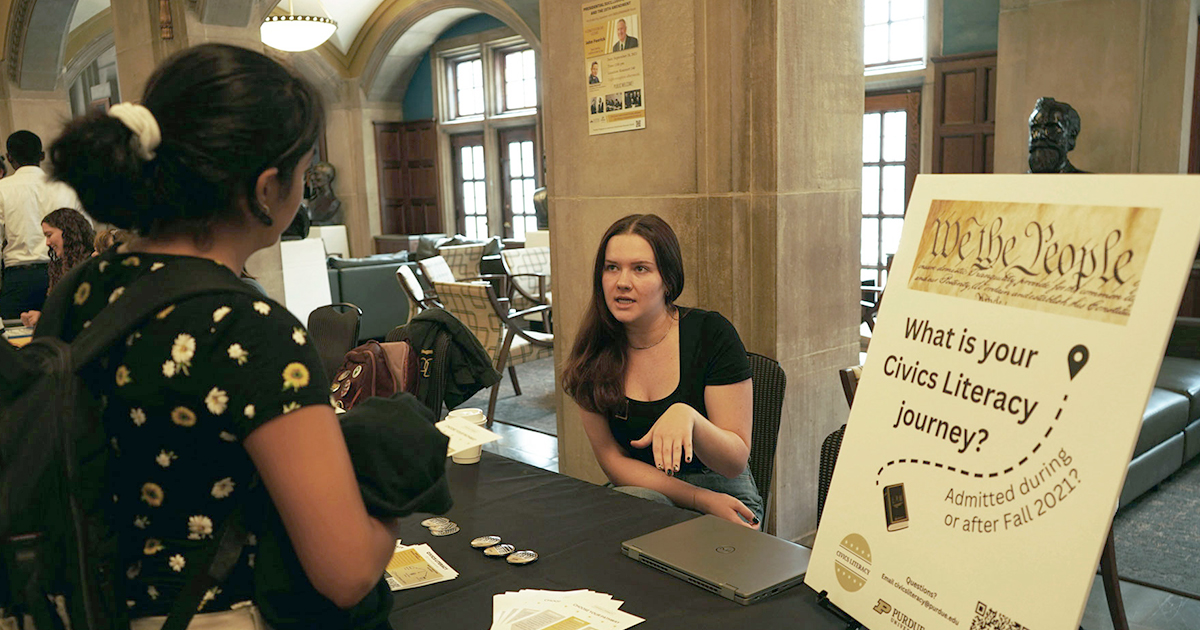
Purdue’s Ackerman Center to host Sept. 17 Constitution Day
The tradition continues! Purdue University will officially celebrate Constitution Day on Sept. 17 in the Purdue Memorial Union to commemorate the signing of the U.S. Constitution in 1787.
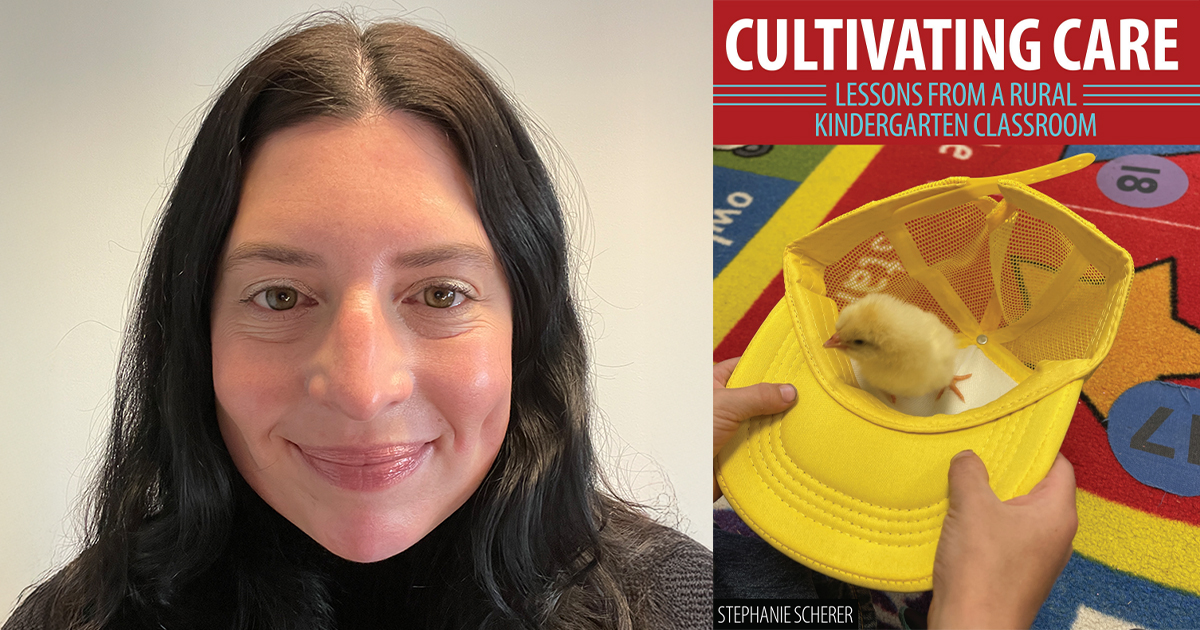
Scherer’s Cultivating Care book published
Stephanie Scherer’s new book, Cultivating Care: Lessons from a Rural Kindergarten Classroom, focuses on how one rural kindergarten teacher experiences and embodies care in her classroom.
The New York Times quotes Bill Watson about AI use
“We need to understand what sort of guardrails we need put in place, both in terms of ethics of the algorithms and in terms of displacement of people’s jobs and careers,” said Bill Watson in The New York TImes about AI.
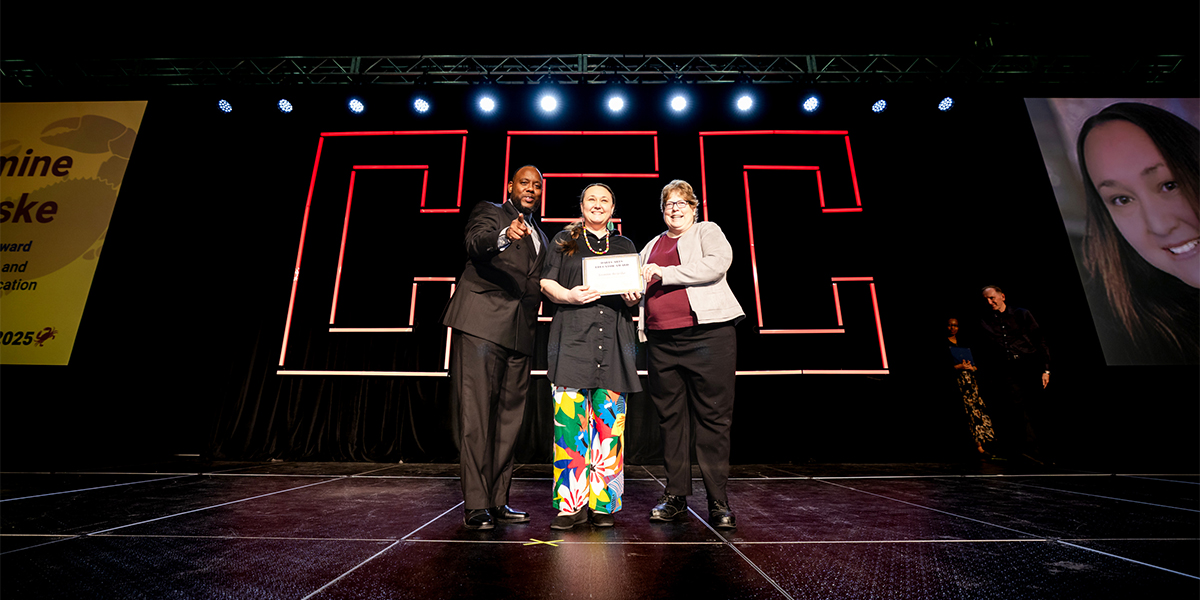
Begeske named CEC Arts Educator of the Year
The Council for Exceptional Children’s Division of Visual and Performing Arts Education named Jasmine Begeske the 2025 Arts Educator of the Year.